
Skagit County, Washington. County seat: Mount Vernon
Skagit County septic rules for home sellers
Before a Skagit County property on a septic system changes hands, county code requires an operation and maintenance inspection by a certified specialist. The rule sits in Skagit County Code 12.05.160(2), and it carries an exception worth knowing: an inspection done in the six months before the transfer already satisfies it, so a recent one can carry the sale.
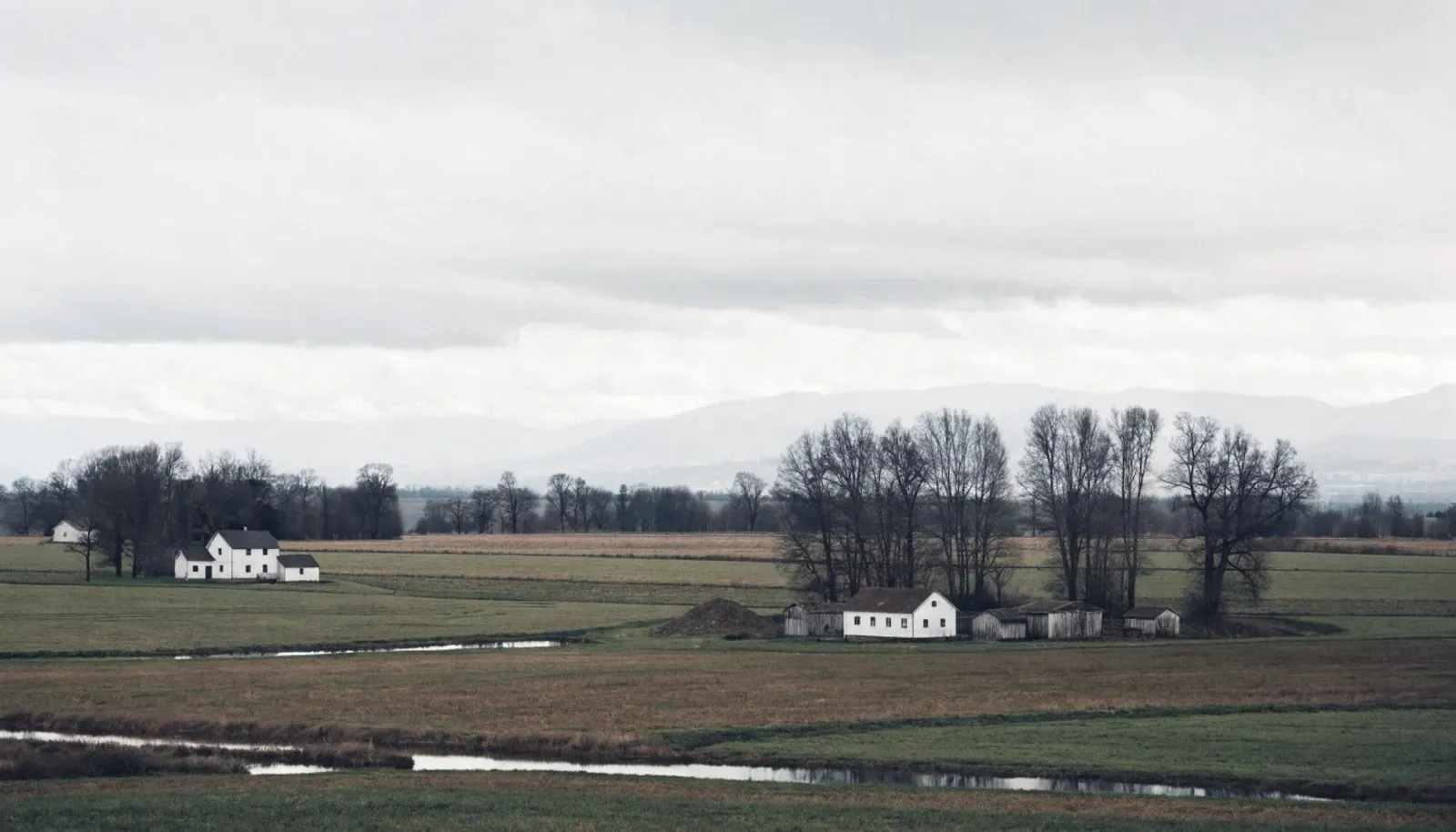
Mount Vernon is the county seat, but most of the properties this affects are not in town. They sit outside sewer service, on the valley flats and up in the foothills, each on a tank and drainfield of its own.
One number is missing here on purpose. Skagit sets its fees by resolution rather than in the code, in a document called the Schedule of Charges, so the current amount comes from the health department rather than from the code text. The requirement below is quoted from the code. The price is not in it. Skagit County Code 12.05.300(1), checked 2026-09-15.
What does Skagit County require when a property changes hands?
An operation and maintenance inspection, completed by a certified specialist, before the transfer. Skagit County Code 12.05.160(2) is the section that carries it:
"Before any property transfer, an operations and maintenance inspection must be completed by a certified O&M specialist, except when a complete O&M inspection has been conducted within six months prior to the property transfer by a certified O&M specialist."
Skagit County Code 12.05.160(2), checked 2026-09-15.
The exception is the useful half of that sentence. The rule on timing: within the six months before the transfer, or a fresh inspection is required. A system inspected properly and recently is not inspected twice, so find the date of your last inspection before you book anything.
Do not carry a rule across a county line either. A deadline from Snohomish County or Whatcom County does not describe a Skagit sale, and that is how a seller ends up preparing the wrong document.
Who is allowed to perform a Skagit County transfer inspection?
A certified operations and maintenance specialist, not the homeowner. Washington has no statewide septic license, so the credential that counts is the county's own. Skagit certifies its own installers, pumpers, and operation and maintenance specialists, and it runs the inspection credential at two levels. A Level 1 provider is certified to inspect conventional gravity, conventional pressure distribution, and gravity with pump systems. A Level 2 provider covers the other public domain types, which is where mound and sand filter systems sit, plus proprietary and alternative systems. A mound system therefore needs a Level 2 provider.
That distinction is the practical part. On a mound or a sand filter, a Level 1 provider is not certified to inspect it at all, so ask which level the specialist holds rather than whether they are certified. Source: Skagit County Code 12.05.030 and 12.05.230, checked 2026-09-15.
One point needs care, because the code is easy to misread. No, not for a sale. Skagit does let some homeowners do their own routine inspection, but only on a conventional gravity system that is far enough from water, with a record drawing on file and a certified provider having inspected it recently. The transfer requirement is separate and names a certified specialist. Source: Skagit County Code 12.05.160(4)(a), checked 2026-09-15. The contractor verification guide covers how to check a certification before you book.
What does an operation and maintenance inspection involve?
The inspector opens the system and records what is happening in it: the tank and its baffles, the solids that have built up, any pump, float, or alarm, and the drainfield surface.
The output is a written report, and the county sets the filing clock at 30 calendar days after the inspection, with a suspected failure reported within seven. That second deadline matters to a seller: a specialist who sees a suspected failure has to tell the Health Officer, so a problem found during a sale does not stay between you and the contractor. Source: Skagit County Code 12.05.160(6), checked 2026-09-15. The property transfer inspection page covers the visit itself.
When does Skagit County want an inspection outside a sale?
On a schedule, and one type of system is on a tighter one. A system with a proprietary treatment product has to be inspected every year by a certified operations and maintenance specialist, separately from anything a sale triggers. Source: Skagit County Code 12.05.160(1), checked 2026-09-15.
Underneath that, Skagit pulls the statewide rule into its own code rather than running a separate scheme, and where the two conflict the more restrictive one applies. (Skagit County Code 12.05.025(1), checked 2026-09-15). The state schedule is at least once every three years for a basic septic tank and drainfield system, and once a year for every other type of system, unless the local health officer requires it more often. Keep to that cycle and the six month exception tends to do the work for you when a sale arrives. The operation and maintenance page covers the cycle.
How should a Skagit County seller prepare?
Start earlier than feels necessary, in this order.
- Find the date of your last operation and maintenance inspection, and who did it. If a certified specialist completed a full one inside the six month window, the transfer requirement may already be met.
- Work out what type of system you have, because it decides who can inspect it. A mound or a sand filter needs a Level 2 provider, and a conventional gravity system does not.
- Find the lids before the inspector arrives. Time spent probing for a buried access lid is time on the invoice.
- Gather your service history: pumping receipts, a repair invoice, an old permit. Ask Skagit County Public Health for the current fee while you are on the phone.
What if the inspection finds a problem?
You get a report, not a verdict on the sale. The options run in rough order of size: repair the fault, replace a failed component such as a pump, or replace the system. What hurts a Skagit sale is the calendar rather than the finding, because a replacement needs a design and a county permit before any digging starts, and the wet season narrows the window. Read what to do after a failed septic inspection for the sequence, and the septic system replacement page for that path.
The ground under a Skagit County septic system
Much of the county is low, flat, and slow draining, and the water table comes up through the wet half of the year. Ground like that is unkind to a conventional gravity drainfield, which is why so many properties here run mound or pressure distribution systems instead. Those have pumps, floats, and controls, so there is more for an inspection to look at, and a drainfield that looks acceptable in a dry month behaves differently in February.
That pattern is why the certification level is worth checking before you book. A mound sits in the Level 2 group, so a property on one cannot be inspected by a Level 1 provider at all. The mound and pressure distribution page covers what those systems need.
What does the statewide rule add on February 1, 2027?
A floor under every county in Washington. WAC 246-272A-0270 requires an inspection at the time of property transfer by a third party inspector authorized by the local health officer, beginning February 1, 2027. The rule itself took effect April 1, 2025, with the transfer inspection provision dated later. Read WAC 246-272A-0270, checked 2026-09-15.
Because Skagit County already requires an inspection before a transfer, the state rule changes less here than in a county with none. The county has also adopted it into county code, so the two are not competing versions of the same duty: where they differ, the stricter one governs.
For the full comparison, the North Sound transfer inspection guide puts all three counties and the statewide rule in one place, the Whatcom ROSS and Skagit transfer guide goes further on this county, and the areas we serve lists all three.
Common questions about selling a Skagit County septic home
Does Skagit County require a septic inspection before selling a house?
Yes. Skagit County Code 12.05.160(2) requires an operation and maintenance inspection by a certified operations and maintenance specialist before any property transfer. There is one exception, and it works in a seller's favor: a complete inspection already done by a certified specialist in the six months before the transfer satisfies the requirement.
Who can perform the inspection for a Skagit County sale?
A certified operations and maintenance specialist. Skagit County certifies that credential at two levels. Level 1 covers conventional gravity, conventional pressure distribution, and gravity with pump systems. Level 2 covers mound and sand filter systems and proprietary systems, so a mound needs a Level 2 provider. Washington has no statewide septic license, so ask which level the specialist holds and which county certified them.
Can a Skagit County homeowner inspect their own septic system?
Not for a sale. A property transfer inspection has to be completed by a certified operations and maintenance specialist. Skagit does allow some homeowners to do their own routine inspection between sales, but only on a conventional gravity system that sits far enough from marine and surface water, has a record drawing on file, and has been inspected recently by a certified provider. That allowance does not carry over to a property transfer.
What does the statewide Washington rule add for Skagit County?
WAC 246-272A-0270 requires a property transfer inspection everywhere in Washington beginning February 1, 2027, performed by a third party inspector authorized by the local health officer. Skagit already carries its own requirement, and it has adopted the state rule into county code, so where the two differ the more restrictive one applies.
Get a free quote in Skagit County
Check your septic transfer requirements in the North Sound
Every figure below links to the county or state page it came from, so you can confirm it yourself rather than take our word for it.
The statewide rule that arrives February 1, 2027
Washington rule WAC 246-272A-0270 adds a property transfer inspection statewide beginning February 1, 2027. It has to be done by a third party inspector the local health officer authorizes. Between sales, the same rule sets the routine schedule: at least once every three years for a basic septic tank and drainfield system, and once a year for every other type of system, unless the local health officer requires it more often. Read WAC 246-272A-0270 (checked 2026-09-15).
What your county requires now
-
Skagit County
Skagit County requires an operation and maintenance inspection by a certified O and M specialist before any property transfer, unless one was already done in the six months before it.
Who can do it: a certified operations and maintenance specialist
Timing: an inspection done in the six months before the transfer already satisfies it, so a recent one can carry the sale.
A system with a proprietary treatment product has to be inspected every year by a certified operations and maintenance specialist, separately from anything a sale triggers.
How to check the contractor yourself
-
Check the county certification for the work you need
A transfer inspection has to be done by a specialist the county health department certifies for operation and maintenance work. Installing a replacement system is a separate certification. Ask which one the contractor holds, and for which county.
-
Check the contractor registration with Washington Labor and Industries
Every contracting business working in Washington must be registered with L and I, which is a bond and insurance filing rather than a skills exam. You can look up the registration and see whether the bond is active. Verify a contractor with Washington L and I
Three questions worth asking before you hire
- Which county certification do you hold, and does it cover the work my sale actually needs?
- Is the report you produce the one my county health department accepts, and do you file it or do I?
- If the system fails, what are my options, and are you certified to do that repair or replacement too?
What it costs, and what happens after you send it
- What does septic work cost in Skagit County?
- No septic replacement price appears on this site, and that is deliberate rather than an omission. Nothing here is published until it has been read at a primary source, and no verified North Sound replacement figure has been. A range taken from a competitor page or a national average would be a guess wearing a number. Ranges for this work are wide enough to be useless anyway. The gap between the cheapest and the most expensive job on the same road can be several multiples, driven by ground conditions you cannot see from the street. System type is the largest lever, and your land sets it: a gravity drainfield, a pressure distribution system with a pump and control panel, and a raised mound are three different projects, and soil and water table decide which one your lot can take rather than preference. The certified installer who walks the lot is the only honest source of that number, and in Washington the system designer is a separately licensed role, so ask whether a quote includes the design, the permit, removing the old tank, and restoring the yard. The cost drivers guide walks through all seven, so a real quote makes sense when you have one in front of you.
- How fast will someone get back to me?
- Your request goes to an independent licensed local septic contractor, usually within about an hour during the day. That contractor then contacts you to look at the lot and quote the work on their own schedule.
- What work is covered?
- Property transfer inspections, septic system replacement, new system installation, mound and pressure distribution systems, repair, operation and maintenance, and pumping. See every service.
Only a licensed contractor standing on your property can price your actual system.
What your county actually requires
Tell us the county and what the property needs. The quote is free, and there is no obligation to book the work.
Your request goes straight to one independent local septic contractor certified by your county health department, serving Snohomish, Skagit, or Whatcom county. It does not go to a national lead list.